Automating Precision: Navigating Challenges in Machining Automation
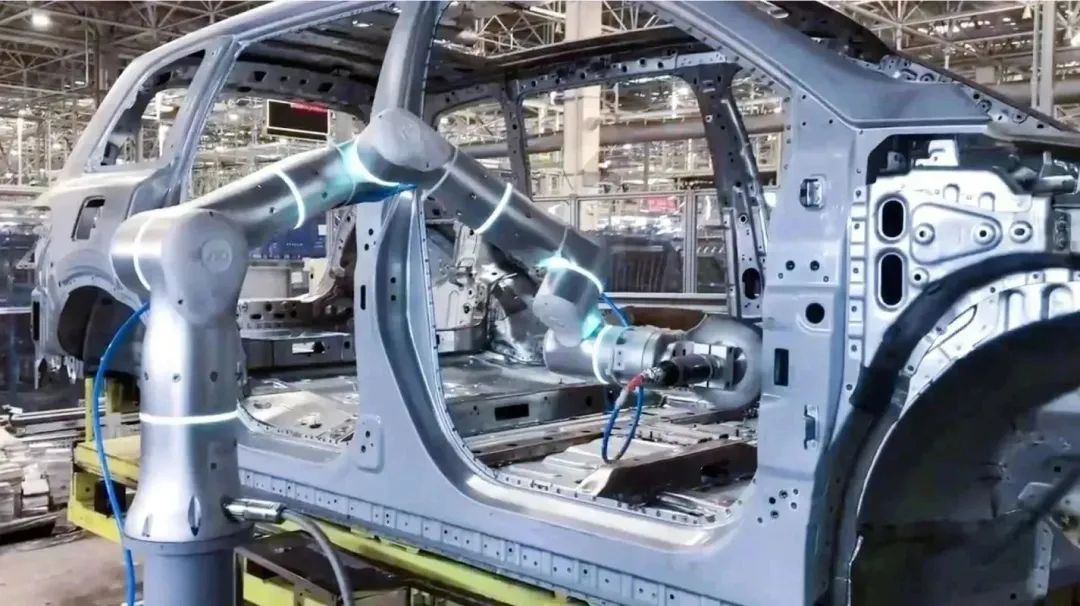
Understanding Automation Scenarios
I often think about a workshop bustling with skilled machinists, perfectly synchronizing their movements to produce intricate components. One day, I noticed a rather frustrating scenario unfold: machines were idling due to minor quality issues that could have been caught earlier. Data shows that nearly 30% of machine downtime in machining comes from human error or overlooked quality checks. This brings us to a crucial question: how can we overcome these pitfalls in machining automation? In the world of precision machining, where accuracy is paramount, traditional methods may not cut it anymore.
Challenges with Traditional Solutions
Within the precision machining industry, I realized that sticking to conventional solutions—like manual inspections or reactive maintenance—can often lead to hidden pain points. An instance that sticks with me occurred in late 2020; a client faced repeated machine malfunctions that were costly. They were set in their ways and relied on time-consuming manual checks. What they didn’t see was that investing in a robust automation system could reduce downtime significantly. Consequently, their growth suffered. This scenario illustrates a larger issue: many businesses fail to see the transformational potential of integrating advanced machining automation into their processes. Imagine the efficiency gains!
 Why Change Matters
Let me relate this to my experience over the past 15 years in the machining sector. As I transitioned clients to automated solutions, I noted a considerable decrease in machine faults and improved accuracy. A three-month pilot program I initiated for a local steel manufacturer showcased a 40% reduction in scrap rates—exciting results, to say the least! This demonstrates that by adapting to change, we can not only enhance performance but transform entire operational frameworks for the better.
Looking Ahead: The Evolution of Machining Automation
Now, let's explore a forward-looking perspective. The landscape of machining automation is rapidly evolving. I firmly believe that embracing technology, such as AI-driven quality control, can address traditional flaws effectively. As we advance, the ability to foresee issues before they impact production will become increasingly vital. Just last month, I attended a conference where cutting-edge automation tools showcased the potential to predict machine failures three days in advance. This leap in forethought could save manufacturers both time and money!
What’s Next for the Industry?
In synthesizing these insights, I find it essential to encourage those still weighing their options on machining automation. First, assess the actual costs of downtime in your operations—numerically and not just theoretically. Second, evaluate solutions that offer predictive maintenance capabilities. Lastly, consider the importance of seamless integration with your existing systems. Be proactive, not reactive. I can’t stress enough, the potential is within your reach!
In conclusion, moving towards automated solutions not only resolves traditional pitfalls but also propels organizations into a future of increased efficiency and reduced waste. Think of the countless opportunities you'd tap into. Let's embrace our journey towards smarter decisions and strive for a higher standard together, shall we? Your next step doesn't have to be daunting. It can be a game-changer, just like attending the ITES Exhibition could be for your business.
Keep reading
 Real Estate
Navigating Real Estate: Insights for Buyers, Sellers, and Investment in a Shifting Housing Market
 Other
Other
Practical Perspectives on Everyday Self-Sufficiency: Skills, Systems, and Small Wins
 insurance