Mastering Clean Air: A Practical Guide to Laser Cutter Fume Extraction
Introduction — a quiet shop, a persistent smell
I remember standing in a small workshop at dusk, watching a cut pattern emerge in plywood and feeling that odd mix of satisfaction and unease. In many such shops, a laser cutter fume extractor is treated like an afterthought, even though studies show indoor air pollution from laser cutting can spike VOCs and ultrafine particles by 3–10x during runs (yes, really). So what should a maker or shop manager pay attention to when the smoke clears and the workbench is covered in dust?
I write this from experience: I’ve seen good systems and half-finished fixes, and I’ve learned how small choices—filter type, duct layout, fan placement—shift outcomes dramatically. My aim here is calm and practical: to walk you through the real scenarios you’ll face, present a few numbers so we’re grounded, and then ask the right questions together as we move forward — read on and we’ll unpack the specifics.
Part 2 — Why common solutions stumble: hidden flaws in extraction setups
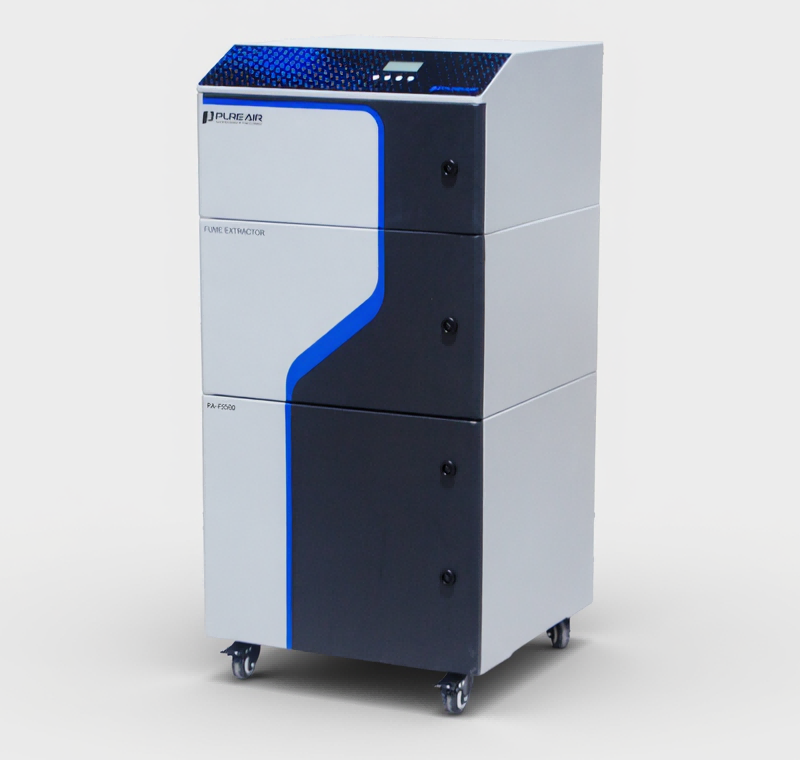
fume extractor for laser cutter systems are marketed like safety panaceas, but the reality is messier. Many shops install a basic unit and assume that solves the problem—only to discover inconsistent capture, clogged filters, and underpowered fans within months. From my perspective, the most overlooked issues are improper capture geometry, poor airflow velocity control, and mismatched filter media (HEPA filter versus activated carbon needs). These are technical failings, yes, but they show up as everyday frustrations: headaches, lingering odors, and frequent maintenance calls.
Let me break one technical point down: capture hood placement is not one-size-fits-all. If the hood is too far or angled wrong, capture efficiency falls off exponentially. You can add a stronger fan — and sometimes that helps — but without attention to duct losses and power converters sizing, you just trade one problem for another. Look, it’s simpler than you think: start with how the fumes move right at the cut, then scale up the fan and filtration. — funny how that works, right?
So what usually goes unseen?
Two quick terms to keep in mind: pressure drop and filtration efficiency. Both determine how long filters last and how clean the exhaust actually is. I’ve watched shops choose cheap prefilters and then wonder why activated carbon saturates so fast. That mismatch costs time and money—plus it leaves operators exposed.
 Part 3 — New technology principles and the future of extraction
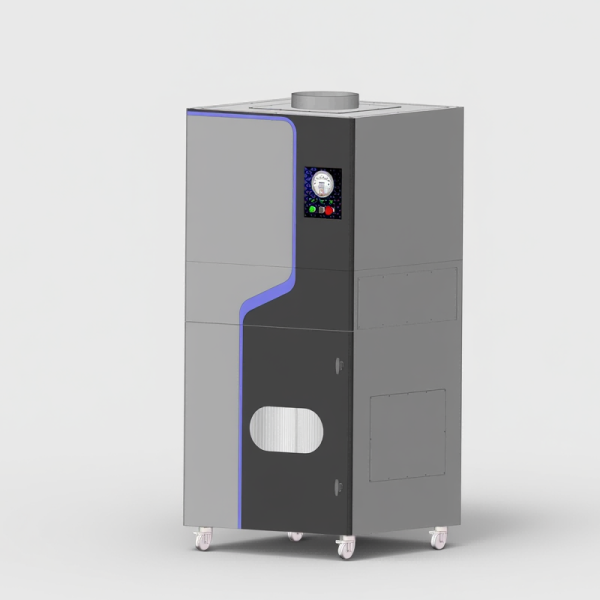
Looking ahead, I think the next step for practical, affordable extraction lies in smarter control and modular design. Modern systems borrow from other industries: variable-speed blowers that adapt to load, sensors that measure particle counts in real time, and even small edge computing nodes that make sense of that data locally. Integrating a responsive control loop means the unit ramps up during heavy cutting and idles when idle — saving energy and extending filter life. In short, a smarter fume extractor for laser cutter behaves more like a teammate than a noisy appliance.
On the materials science side, better media blends (HEPA + activated carbon layers optimized for VOCs) and lower-resistance filter frames reduce pressure drop and increase usable life. Combine that with well-tuned ductwork and occasional use of pre-separation (cyclonic prefilters), and you get measurable improvements: fewer filter swaps, steadier airflow, and cleaner working air. I’m excited about these shifts because they make safety easier to maintain, not harder. — the small wins matter.
What’s Next?
To choose or evaluate systems going forward, I recommend focusing on three practical metrics that reflect real-world performance: (1) capture efficiency at the nozzle (percent), (2) system pressure drop across filters (Pa), and (3) energy use versus extraction capacity (W per CFM). These tell you whether a system actually captures fumes where they form, how often you’ll change filters, and what your operating cost looks like. If a vendor can’t give clear answers on these, I don’t buy into their claims.
In closing, I want to be clear: I favor solutions that are measurable and maintainable. That’s how shops stay safe without overburdening staff. If you’re experimenting, start small, measure often, and iterate—because good air is part of good work. For practical options and tested units, I’ve referenced systems that balance control and filtration, and I trust brands that back performance with data. For anyone choosing equipment now, check metrics, ask for real test results, and consider systems that grow with your shop. For reference and trusted designs, consider looking at PURE-AIR.
Keep reading
 Real Estate
Navigating Real Estate: Insights for Buyers, Sellers, and Investment in a Shifting Housing Market
 Other
Other
Practical Perspectives on Everyday Self-Sufficiency: Skills, Systems, and Small Wins
 insurance