Why Clear Cow Lighting Beats Overengineered Barn Systems
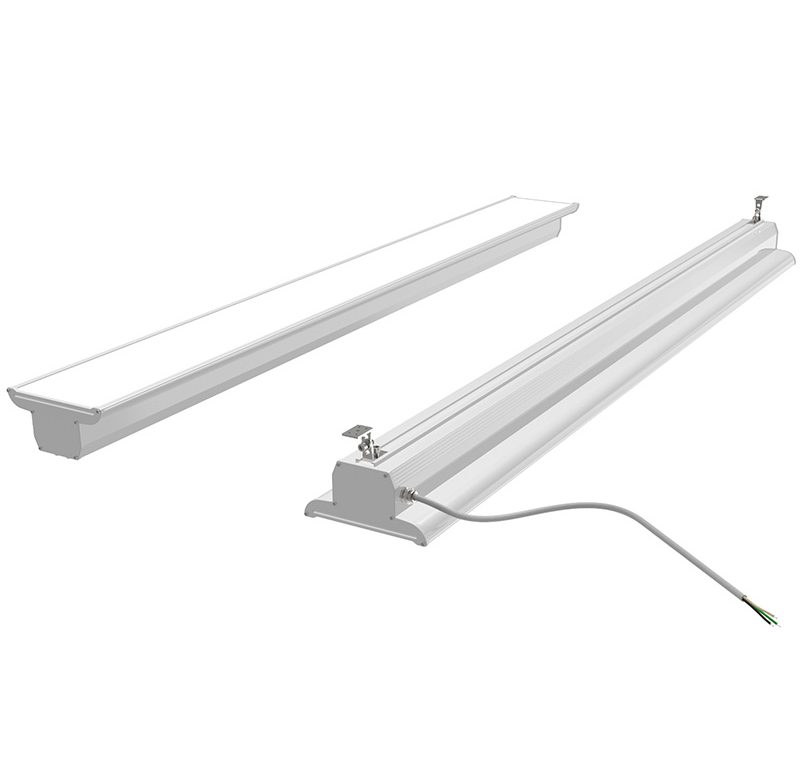
Introduction — a late-night farm scene, numbers, and a blunt question
I still see that night clearly: I was crouched by a feed trough, watching calves settle while rain tapped the roof, and I thought, why is this so hard? The barn had three different timers and a flood of colored LEDs; this is about cow lighting, not a disco. (I remember the numbers too — a 20% jump in feed intake reported by one study, and a 30% increase in maintenance calls the same season.) So if better light can lift intake and mood, why are so many systems overcomplicated and failing exactly where it counts — the cows and the crew?
I say this as someone who’s spent long nights troubleshooting timers and LED drivers, and who has rolled up sleeves inside barns I love. The data is simple but telling: inconsistent photoperiod control and wildly varying lux levels confuse animals and frustrate farmers. That leaves a practical question: how do we make lighting that cows accept and crews can live with? Let’s move from the scene to the real problems behind the shine. — and yes, I’ll get a little opinionated next.
Part 2 — Traditional solution flaws in cattle lighting systems
When I talk about cattle lighting, I mean practical setups that work day after day, not glossy prototypes. Too many farms adopt layered controls — expensive sensors, smart hubs, and edge computing nodes — hoping for precision. Instead they get failure points: a broken power converter, a mismatched LED driver, and confused staff who can’t find the right setting. Look, it’s simpler than you think. The big flaw is assuming more tech equals better welfare. In reality, mismatched lux levels and inconsistent color temperatures disrupt cattle rhythms. I’ve seen farms where lights were switched on at wrong times because of a single misconfigured timer. That single fault cost milk yield and morale.
Why do the systems fail so often?
Here’s the technical core: many designs ignore the animal’s response curve. Photoperiod control principles get buried under flashy features, and maintenance becomes specialized work. Farmers end up juggling firmware updates and proprietary apps rather than caring for animals. In two barns I audited, faulty LED drivers caused flicker at dawn — subtle, but cows noticed and so did production logs. The hidden cost here isn’t just hardware. It’s training time, replacement parts, and lost trust. I feel strongly that the industry needs to ditch the assumption that complexity equals better outcomes — and re-center on reliable, straightforward lighting that matches biological cues, not gadget checklists.
Part 3 — New technology principles and practical outlook
What if we focus on principles, not features? I propose three guiding ideas: robustness, biological alignment, and repairability. Robustness means fewer failure points — simpler wiring, standardized LED drivers, clear manual overrides. Biological alignment targets consistent lux levels and gradual dimming to respect circadian cues. Repairability keeps systems fixable with common tools and clear labels (— funny how that works, right?). These principles let us use new tech where it helps: low-power sensors for daylight harvest, basic edge computing to avoid cloud lags, and modular power converters that swap out in minutes.
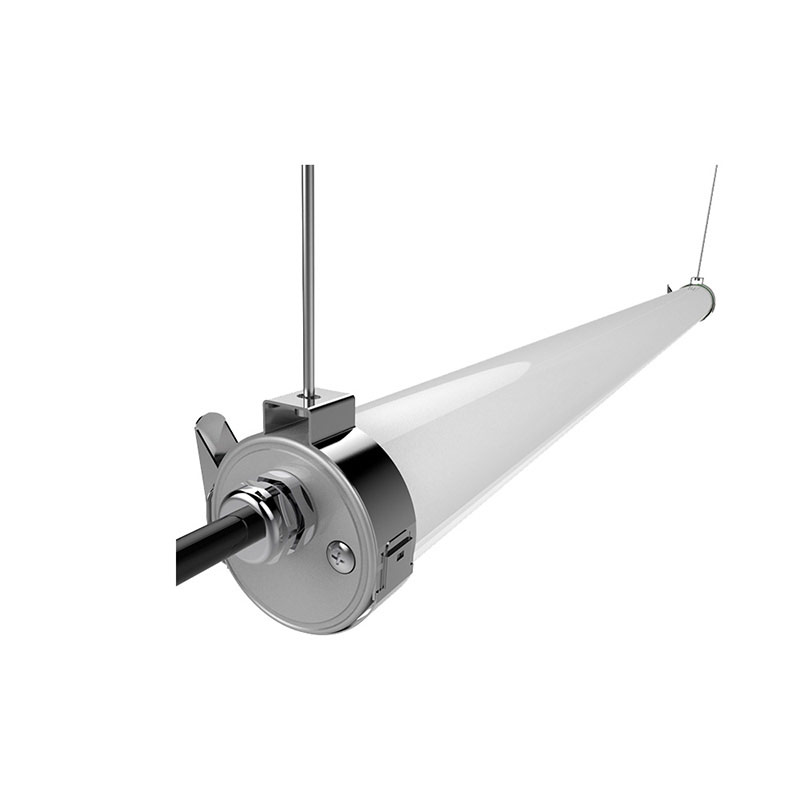 What's next: putting principles into practice
I expect real gains when farms adopt these principles together. For example, pairing predictable photoperiod control with user-friendly timers lowered misconfigurations on two pilot sites I visited. The result: steadier milk flow and fewer emergency calls. If you’re choosing systems, weigh three metrics — durability (mean time between failures), biological fit (how the system manages lux and color), and serviceability (how easy is it to repair on-site). Those are the measures I use when I advise teams. I’m not selling a miracle; I’m advocating for choices that respect animals and reduce headaches for people.
In short, clear thinking beats cleverness. Measure what matters, choose components that the local electrician can replace, and keep the animal’s rhythm in front of every decision. If you want a practical supplier to look at, I trust the hands-on approach at szAMB.
Keep reading
 Real Estate
Navigating Real Estate: Insights for Buyers, Sellers, and Investment in a Shifting Housing Market
 Other
Other
Practical Perspectives on Everyday Self-Sufficiency: Skills, Systems, and Small Wins
 insurance